Korea Chair Bulletin: November-December 2025
The Korea Chair Bulletin provides research-driven insights into India-South Korea relations, covering policy shifts, strategic dialogues, and emerging trends. It also highlights key developments and news from the Korean Peninsula.
Zeitenwende Meets Atmanirbhar: Co-Creating the Future of Indo-German Defense

Indo-German defense ties are at a strategic inflection point. As Germany embraces Zeitenwende and India pursues Atmanirbhar Bharat, this report argues for shifting from transactional arms sales to deep industrial co-creation. It maps a decade-long strategy (2025–2035) to fuse German engineering with Indian manufacturing scale. Key recommendations include a $50M joint innovation fund, fast-tracked export controls (“Green Lists”), and integrating MSMEs into global supply chains. The goal: a resilient partnership building strategic autonomy for both nations.
Dictator next door

Redeeming India’s nuclear power promise
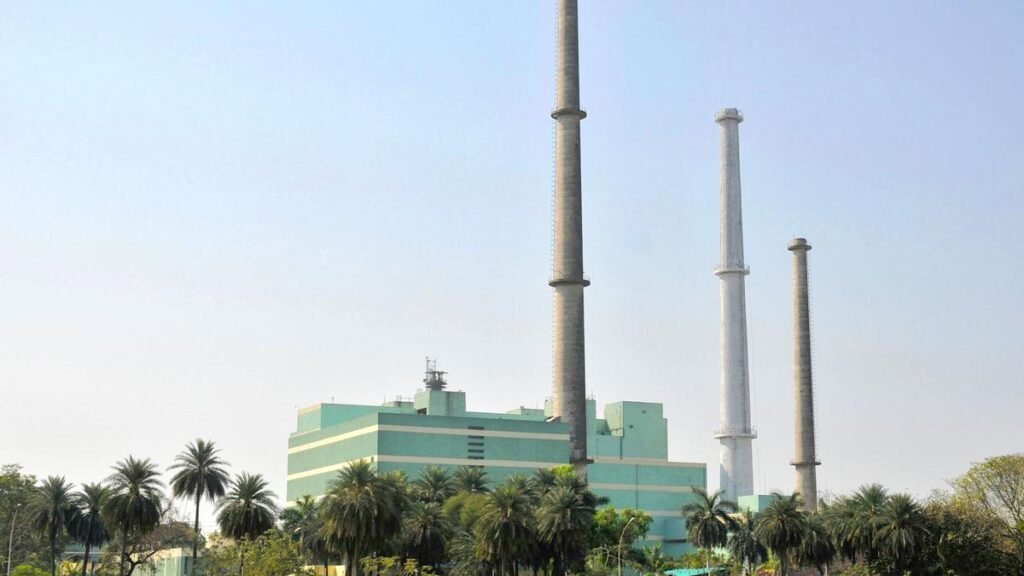
If India is to meet its ambitious target of 100 GW of power generating capacity by 2047, it needs foreign partners as well as private entities to participate in the […]
Data sovereignty is a strategic imperative

India must move beyond viewing data as a mere economic asset and treat it as a pillar of national resilience and strategic autonomy
The real drone war is yet to come
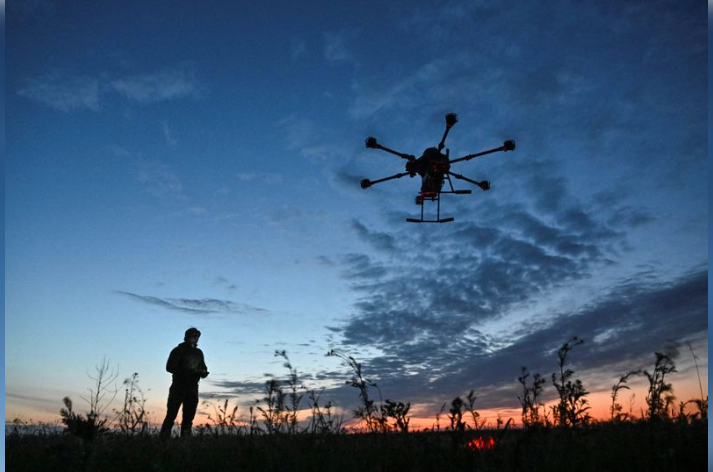
Preparing for the future means thinking beyond the victories of Operation Sindoor