The Clean Energy Race in South Asia: India, China, and the Boundaries of Delivery
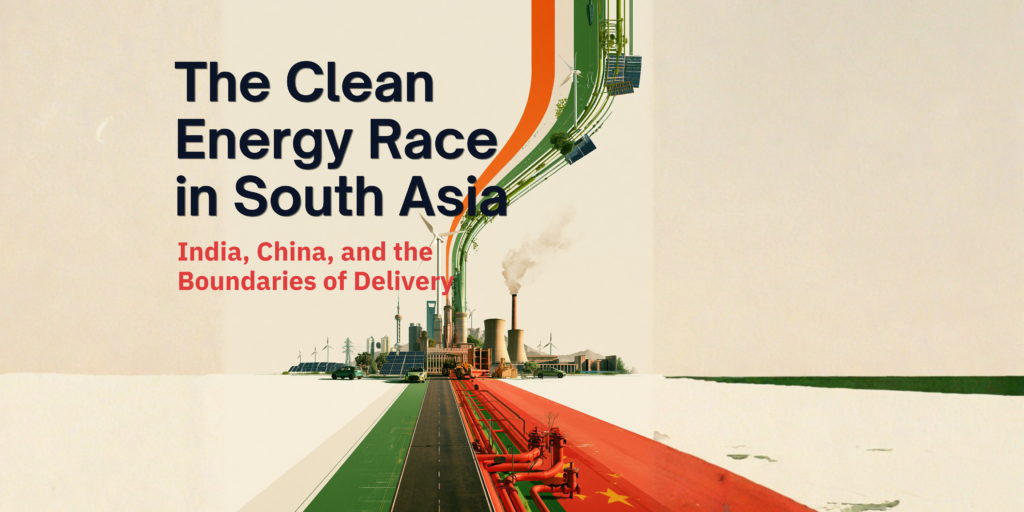
As India and China compete to power South Asia’s energy transition, the decisive factor is not who has more capital. It is who can deliver. This report argues that the two countries’ delivery models, not their resources, explain the diverging outcomes across Bhutan, Nepal, and Bangladesh. India’s approach is relationship-intensive and conditional, built on sovereign Lines of Credit negotiated case by case. China’s is capital-intensive and vertically integrated, with state-owned enterprises controlling financing, engineering, and equipment supply from start to finish.
Nepal’s youth rebellion meets geopolitics

Nepal’s youth-driven uprising has reset the foreign policy landscape in Kathmandu, exposing the limits of China’s communist alliances and India’s long-standing influence over the Nepali Congress.
Nepal’s road to revolution
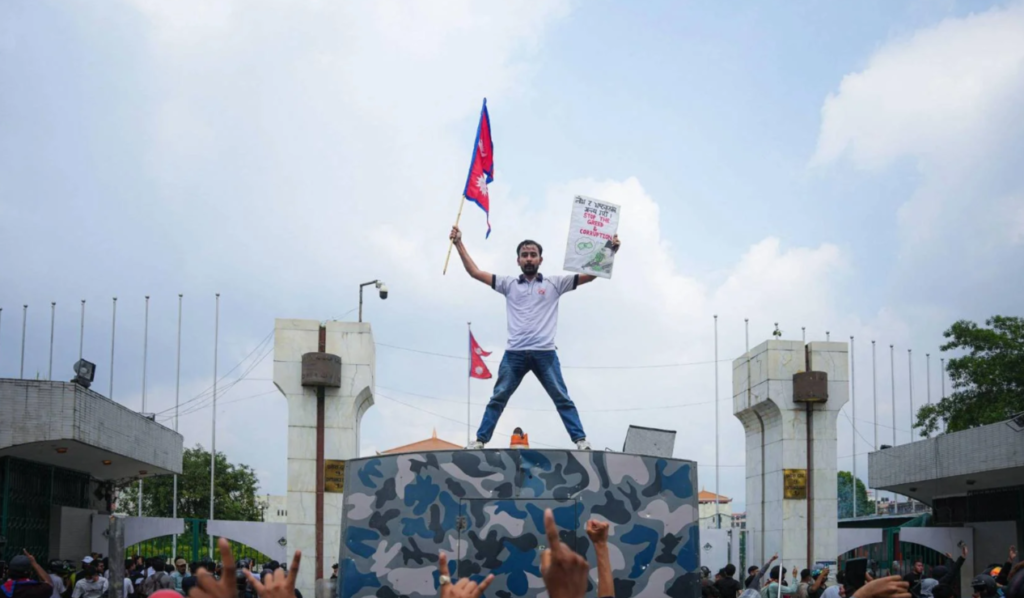
Nepal’s Gen-Z revolution is the latest in a series of political crises that have unseated governments in South Asia.
After the revolution, Nepal’s foreign policy is anyone’s guess
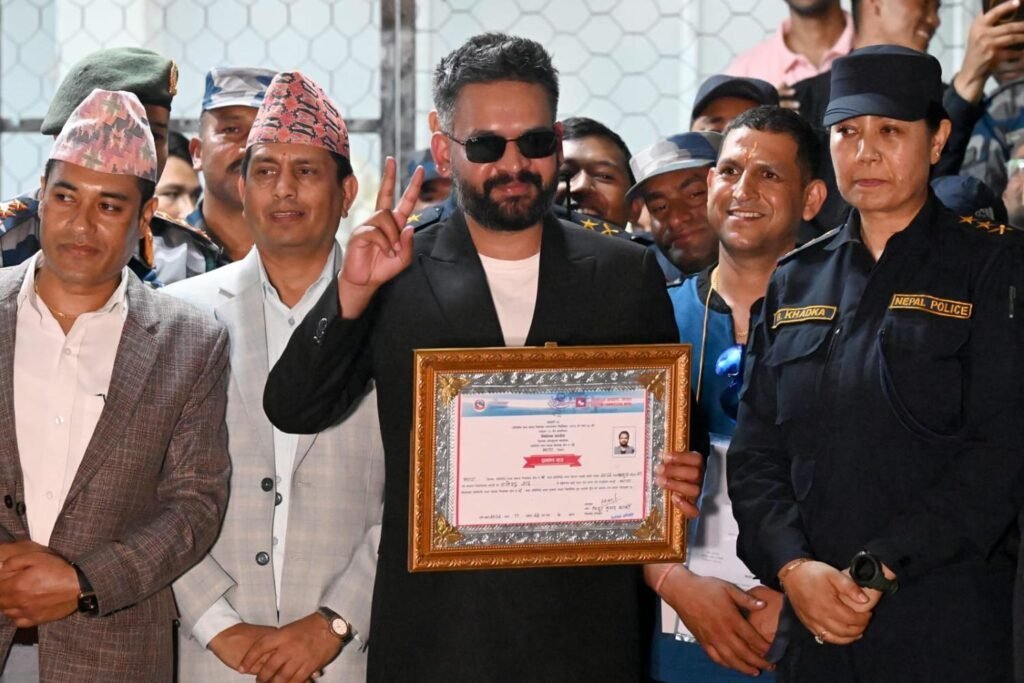
A historic election result, an inexperienced new government, and a region in flux.
Making sense of the political tsunami in Nepal
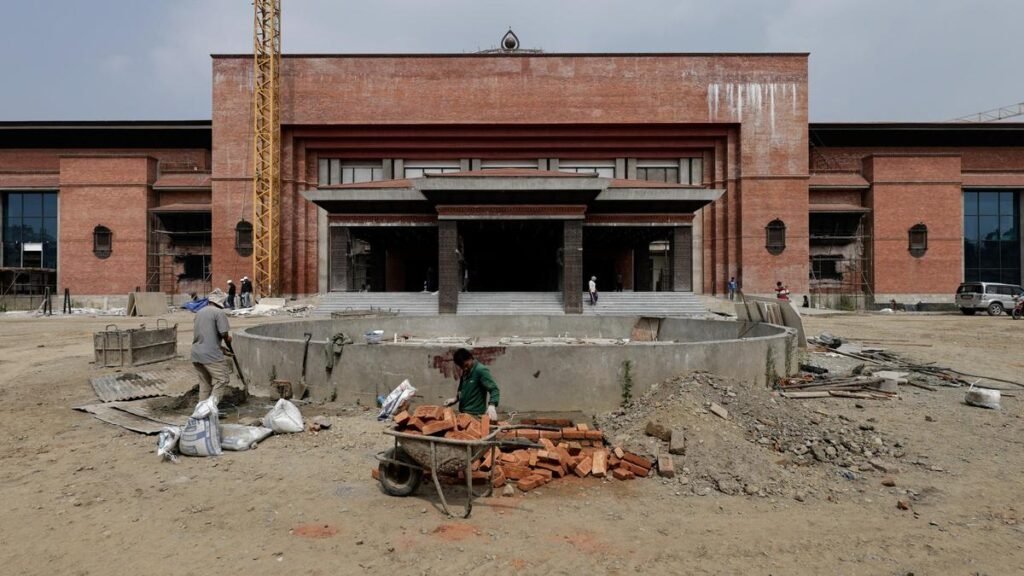
India will need to be careful about reiterating the old mantras of cultural, historical and religious ties; it should now invest in developing a new idiom of responding to the naya Nepal