
Post-Pulwama lessons for India, Pak
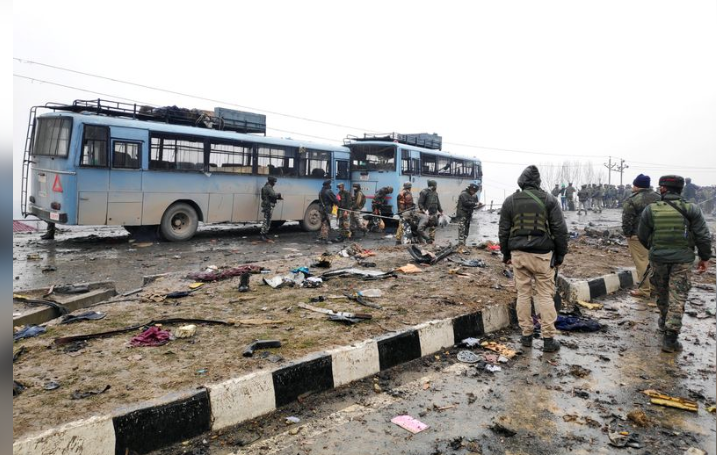
There was a deliberate effort by both sides to control the escalation through public messaging
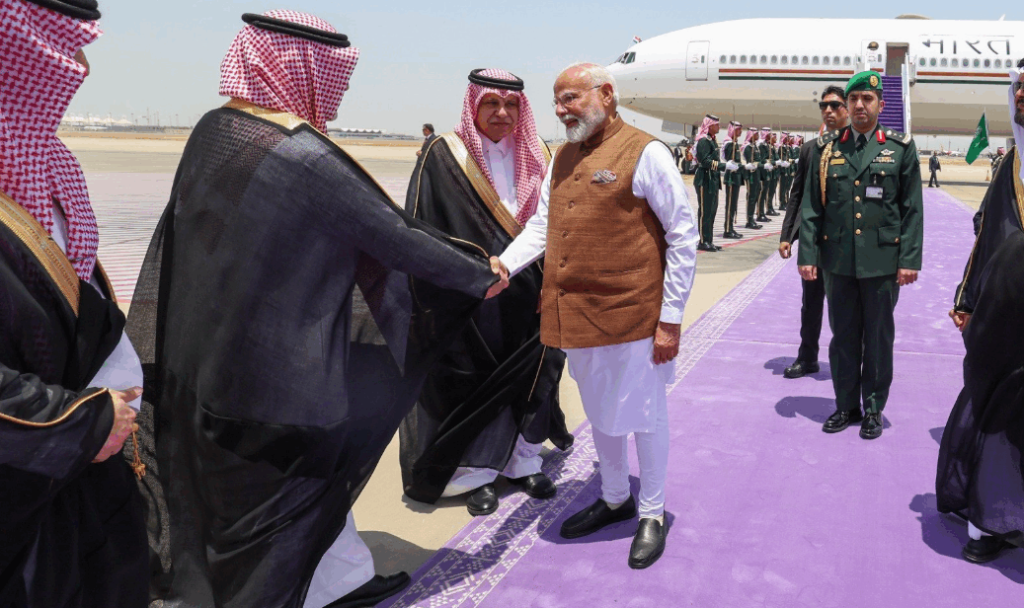
How India Views the Saudi-Pak Defense Pact: Historical Drivers and Future Concerns
Trump announces Iran-Israel ceasefire: Why Tehran gave ‘early notice’ of its attack on US base in Qatar
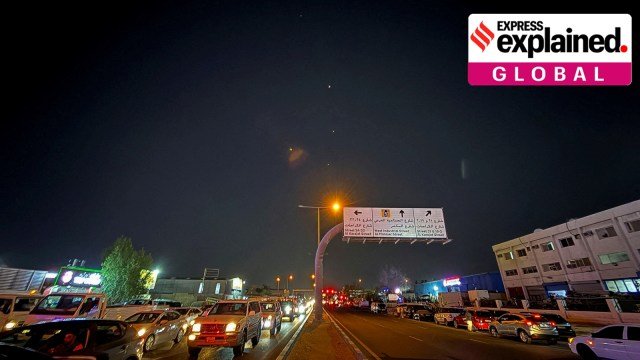
That Tehran telegraphed its retaliatory attack to the Americans indicates that it wants to retain space for negotiations and recuperate. Hours later, Donald Trump announced the Iran and Israel have […]
The Taliban’s Entry Into India-Pakistan Rivalry
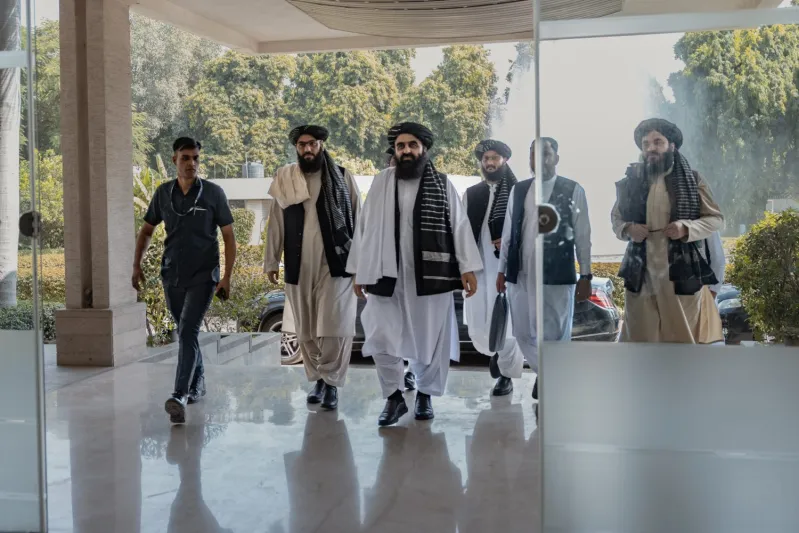
Kabul’s flirt with New Delhi is a classic case of geopolitical logic.
Recasting India’s Air Defence Architecture: Countering the Drone and Swarm Threat

This report argues that India’s traditional air defence (AD) architecture—reliant on expensive, centralized missile systems—is becoming obsolete against the proliferating threat of low-cost, autonomous drone swarms. The May 2025 “Operation Sindoor” crisis exposed a critical “cost asymmetry”: expending million-dollar interceptors against disposable $2,000 FPV drones is economically unsustainable, allowing adversaries to easily exhaust India’s magazine depth.
Decoding the Eastern Sector: India, China, and the McMahon Line

This report provides a comprehensive analysis of the India-China boundary dispute, focusing specifically on the dynamic Eastern Sector (Arunachal Pradesh). It traces the historical and legal origins of the conflict, from the 1914 Simla Convention and the establishment of the McMahon Line to the complex diplomatic negotiations of the post-independence era. The study argues that China’s maximalist claims in the East are less about genuine historical sovereignty and more about strategic leverage—aimed primarily at compelling India to recognize the status quo in Aksai Chin.