
September 29 – September 30
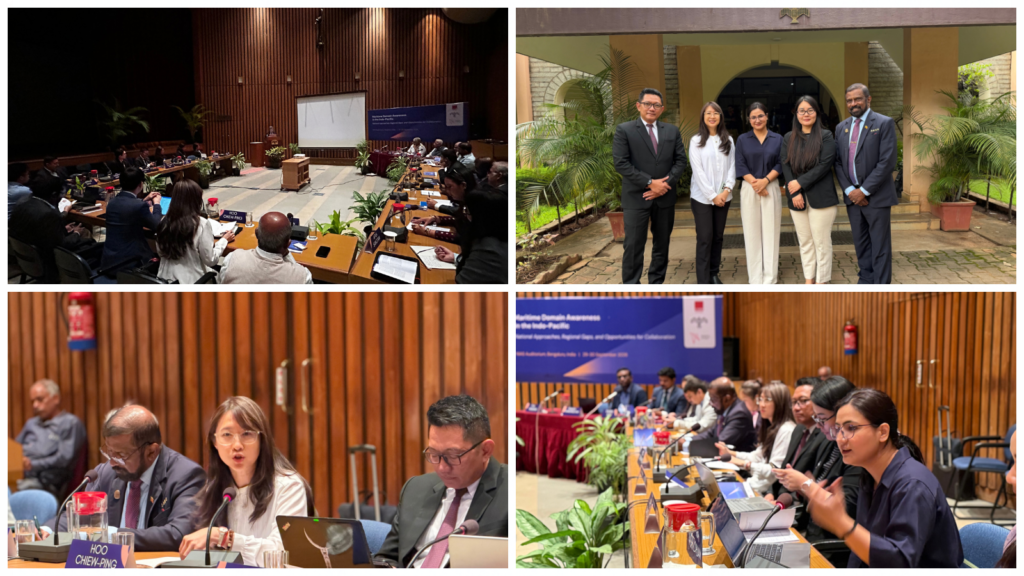
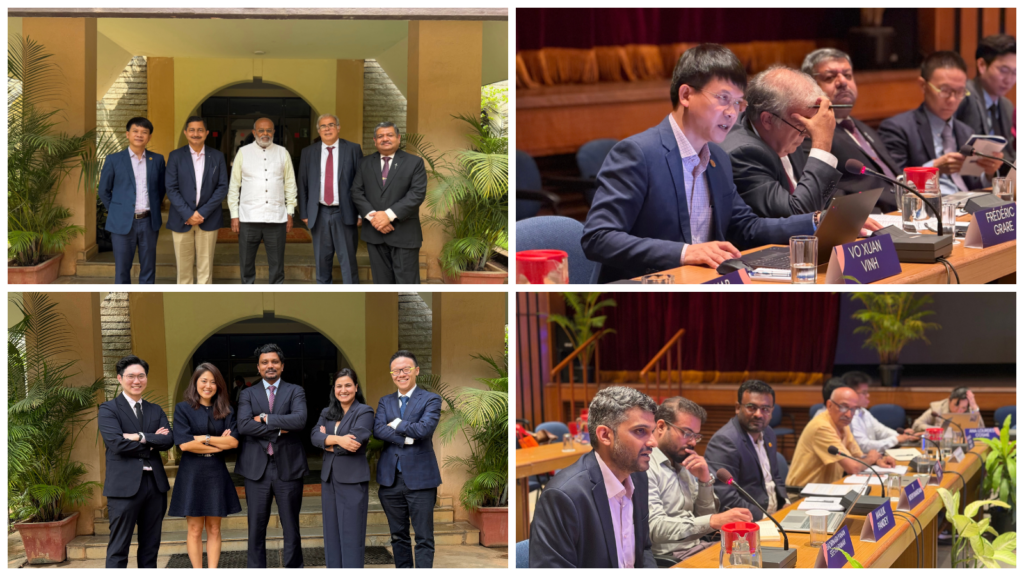
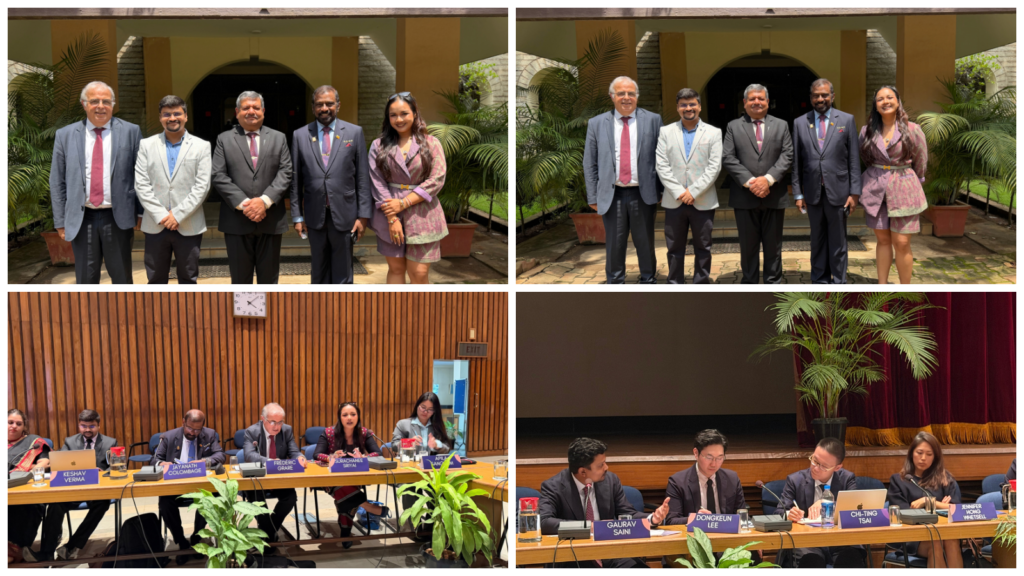
Building on the maritime security discussions initiated during the 2025 Manila workshop, the workshop on “Maritime Domain Awareness in the Indo-Pacific: National Approaches, Regional Gaps, and Opportunities for Collaboration” was held in Bengaluru in collaboration with the National Institute of Advanced Studies (NIAS) and the Asia Pacific Foundation of Canada (APF Canada). It took the earlier conversation forward by focusing more specifically on strengthening Maritime Domain Awareness (MDA) cooperation across the Indo-Pacific.
MDA has become increasingly important in addressing grey-zone coercion, illegal, unreported, and unregulated (IUU) fishing, sanctions evasion by dark fleets, and threats to undersea infrastructure. Initiatives such as the Quad’s Indo-Pacific Partnership for Maritime Domain Awareness (IPMDA), India’s Information Fusion Centre for the Indian Ocean Region (IFC-IOR), and Canada’s Dark Vessel Detection programme have expanded regional capabilities. However, differences in national priorities, institutional frameworks, and information-sharing arrangements continue to limit effective cooperation.
The workshop examined national approaches to MDA, gaps in regional information-sharing architectures, commercial earth-observation capabilities, and opportunities for bilateral and regional collaboration. Discussions also considered challenges related to capacity, interoperability, and legal and policy constraints, as well as the potential role of emerging commercial technologies in complementing existing MDA frameworks.
A key focus of the workshop was identifying areas where practical cooperation could be advanced. By bringing together policy experts, maritime practitioners, and commercial technology providers, the discussions explored avenues for data-sharing, capacity building, technological collaboration, and regional coordination, while contributing to a broader research and engagement agenda on MDA in the Indo-Pacific.
Experts










(Hammerli)









Partners

Gallery