
The Clean Energy Race in South Asia: India, China, and the Boundaries of Delivery
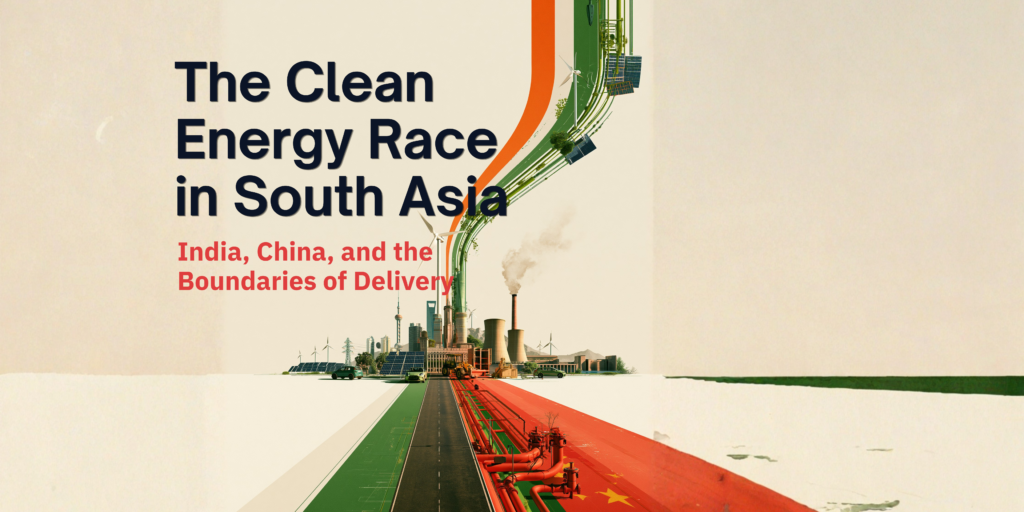
As India and China compete to power South Asia’s energy transition, the decisive factor is not who has more capital. It is who can deliver. This report argues that the two countries’ delivery models, not their resources, explain the diverging outcomes across Bhutan, Nepal, and Bangladesh. India’s approach is relationship-intensive and conditional, built on sovereign Lines of Credit negotiated case by case. China’s is capital-intensive and vertically integrated, with state-owned enterprises controlling financing, engineering, and equipment supply from start to finish.
Don’t read too much into Bangladesh PM’s China visit

Where a neighbouring leader chooses to go first tells little about the state of a relationship, and we must stop treating itineraries as foreign policy outcomes
Himanta, Suvendu, and the remaking of India’s eastern border
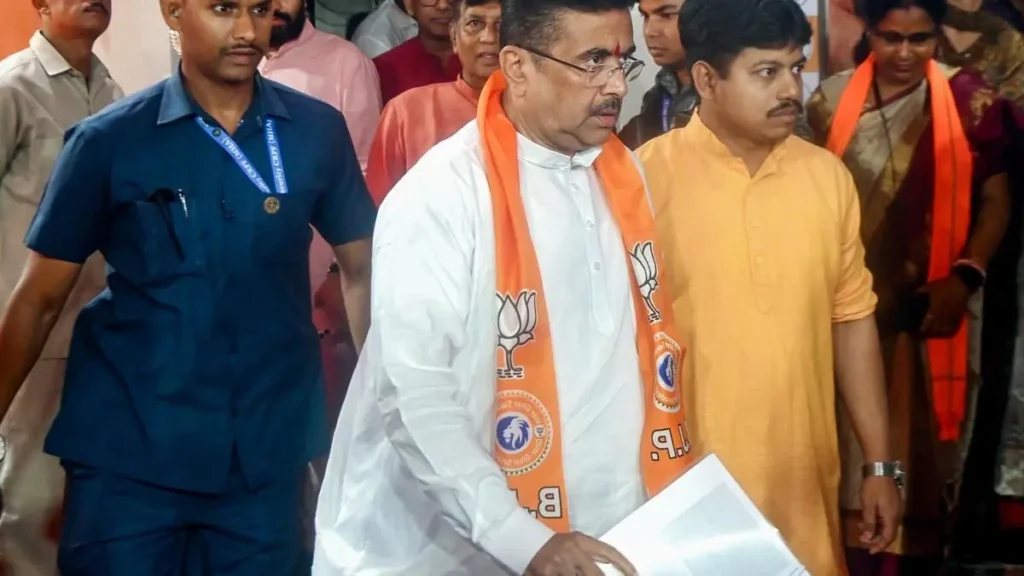
Himanta Biswa Sarma and Suvendu Adhikari have turned the Bangladesh border into the central theatre of eastern India, where “push-backs” and anti-immigration campaigns are impacting diplomacy, trade, and India’s long-term […]
BJP’s Eastern mandate could help New Delhi open new foreign policy doors in region

Elections have political consequences; when they occur in border states, they also have foreign policy implications. Divergences between the Centre and border states have long complicated India’s neighbourhood policy.
Beijing’s new club

Dhaka’s hesitant participation in the cosy trilateral chat with Pakistan and China shows that the neighbourhood game is not over.
Bangladesh voters backed a key reforms charter. Its implementation will be a challenge

70% of Bangladesh’s voters voted “yes” on a referendum on the July National Charter, which proposes around 80 major legal and constitutional reforms. But with the BNP differing from it […]