Australia-India Anti-Submarine Warfare (ASW) Cooperation: Doctrine, Capabilities, Constraints, and Strategic Futures
This report examines Australia–India anti-submarine warfare (ASW) cooperation within an increasingly contested Indo-Pacific undersea environment. It argues that meaningful, campaign-level cooperation is both achievable and strategically valuable without requiring alliance-style integration or the sharing of highly sensitive sensor architectures. Cooperation is best structured around aligned doctrine, greater intelligence sharing, and routine operational coordination that builds the enduring relationships between the two operational-level headquarters.
The Illusion of Technology Transfer: The Missing Ingredients of India’s Defense Industrialization
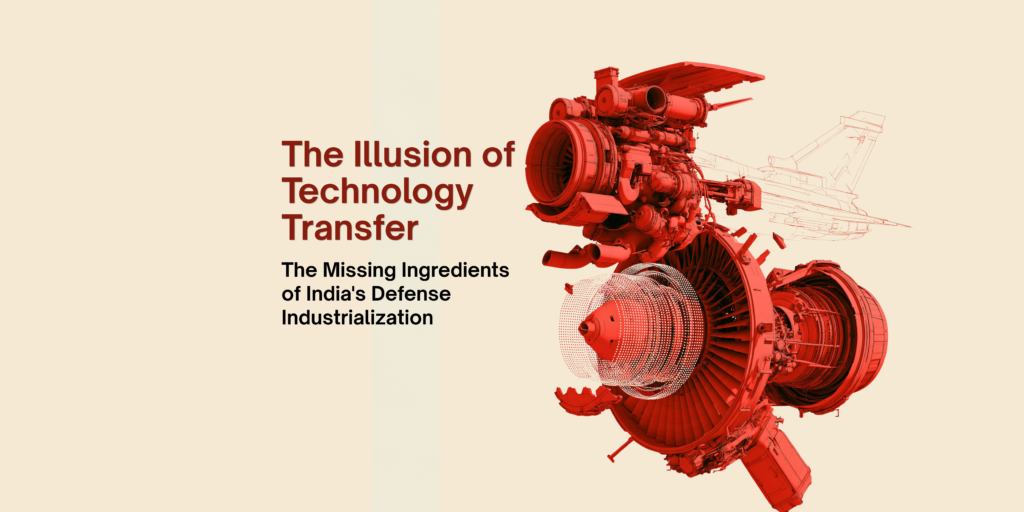
India has built foreign-designed weapons under license for six decades without acquiring design authority. This report explains why: procurement treats technology transfer as a contractual deliverable, but absorption cannot be contracted for. It sets out a ladder of technological depth and a five-stage chain, then scores four programs against them.
A potential Trump-Xi-Putin summit is casting a shadow over BRICS
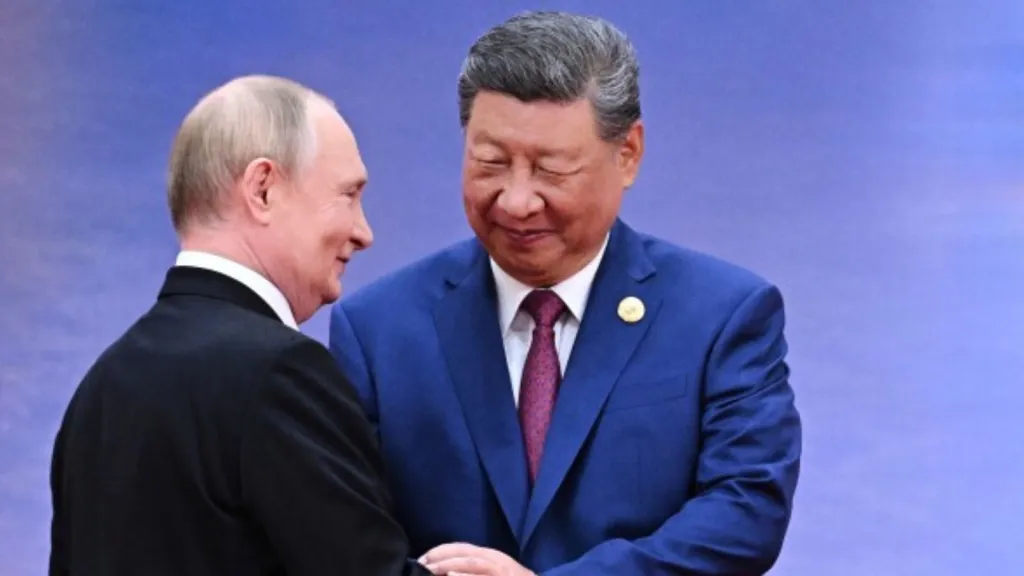
The Europeans worry that an accommodation with Moscow could be made at their expense. Asian allies fear that a bargain with Beijing could weaken American commitments to regional security
India must catch up in this China-US tech race

This contest is not about who unveils the cleverest AI model. It is about building the most effective ecosystem connecting universities, laboratories, entrepreneurs, finance, energy, factories, supply chains and markets
The Quiet Corridor: The Case for Deepening India-Canada Pharmaceutical Trade

This report makes the case for deepening India-Canada trade in finished pharmaceutical products and for institutionalizing it under the CEPA negotiations now targeted for conclusion by the end of 2026.
Don’t read too much into Bangladesh PM’s China visit

Where a neighbouring leader chooses to go first tells little about the state of a relationship, and we must stop treating itineraries as foreign policy outcomes