Bhabha, Cold War, nuclear technology, 1955: Dos and don’t for India in AI

No nation can afford to treat AI as only a public good. The calls for international cooperation at the summit then coexist uneasily with pursuit of national interest.
C Raja Mohan writes: In the new world order, economic policy is also foreign policy

The Covid crisis exposed the fragility of global supply chains. Russia’s invasion of Ukraine in 2022 drove home the new concerns. By the time the Group of Seven leaders met […]
C Raja Mohan writes | Decisive break from past: Closing deal with US, India emerges more confident negotiator
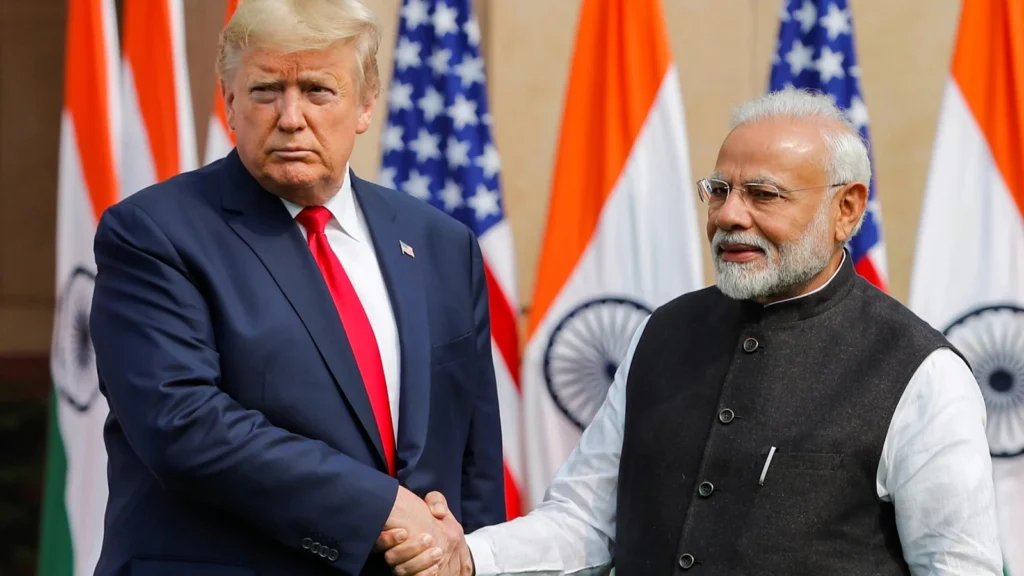
If the 1990s reforms helped India adjust to economic globalisation, today’s world is defined by intense geo-economic competition. The interim deal positions India well to navigate this
C Raja Mohan writes | Resilience and patience helped Delhi weather Trump’s tariff storm. India-US partnership is structurally sound, durable
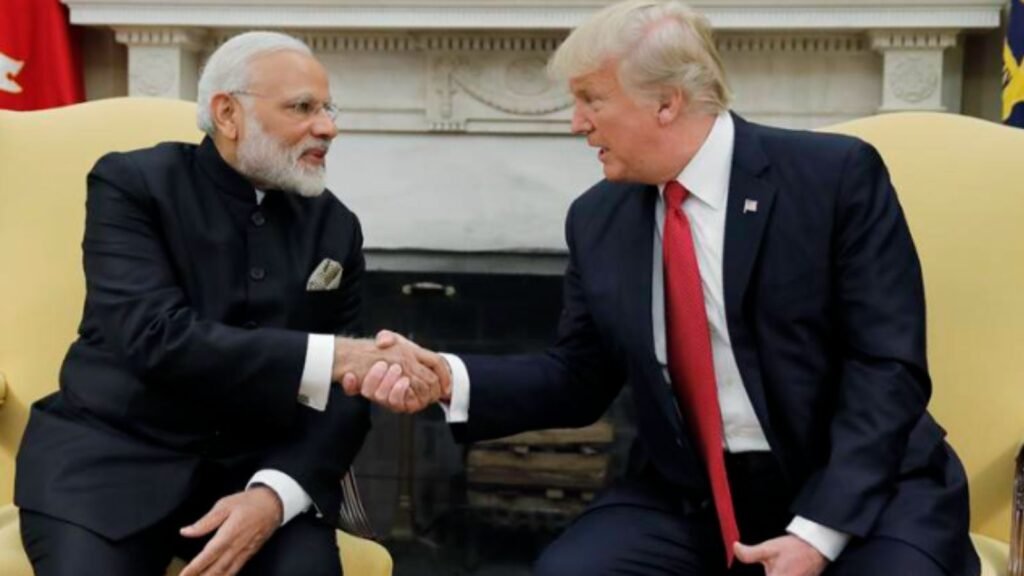
The convergence of strategic interests and the creation of a dense architecture of cooperation in the last quarter of a century was not going to be easily wrecked by personality […]
Trump Is Demolishing the Global Order. Here’s What Might Come Next
‘India may offer a template for middle powers trying to protect their interests’
C Raja Mohan writes | India-Europe deal isn’t a byproduct of Trump’s America. It’s been long in the making
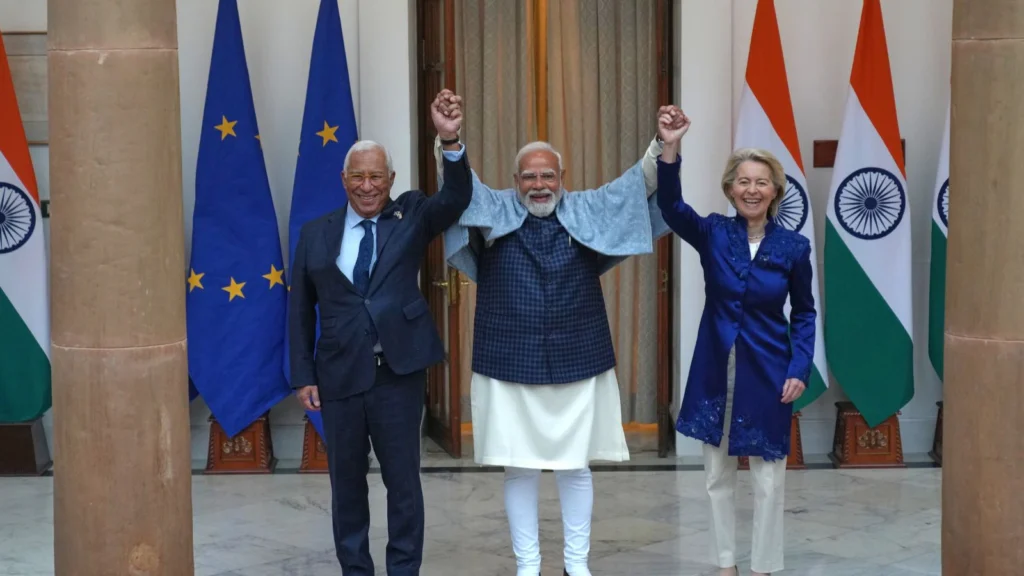
The agreements on trade, defence cooperation, and mobility unveiled this week were not conceived overnight. They reflect a sustained diplomatic effort stretching back to the early years of Prime Minister […]