India’s Strategic Crossroads: Navigating a Fragmenting World Order
This impact essay constitutes a systematic analysis of India’s options within the context of a transforming global security and economic architecture. It scrutinises the alignment between India’s fundamental interests and […]
Best of Both Sides: Reset with China is not a possibility

China remains India’s primary strategic challenge with very little convergence of interests
Is Ukraine the Future of Asia?
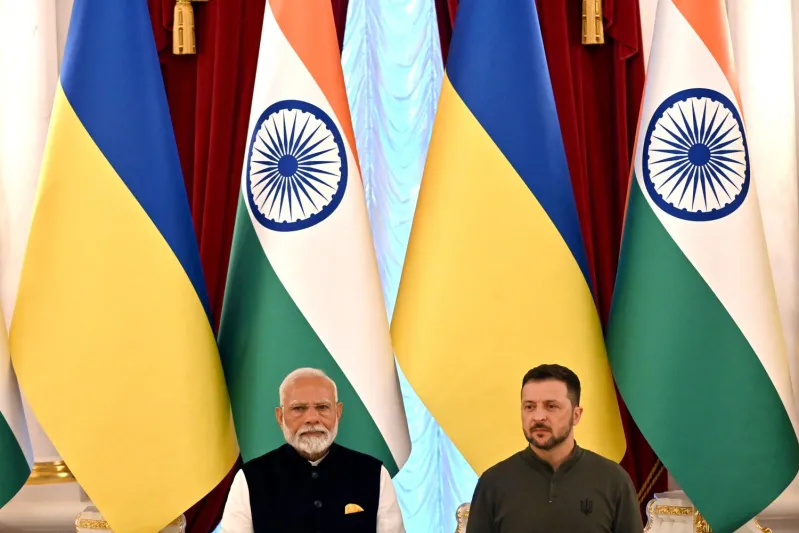
Washington’s switch to accommodating Moscow’s geopolitical goals sends an ominous signal.
India should be cautious about Trump reaching out to Russia, China and Europe
Delhi must avoid slipping into permanent conflict with its neighbours, which only invites more meddling by the great powers. It must back diplomacy with long-overdue economic reform and renewed domestic […]
Unfinished Alaska talks, US-Russia ties: Beyond oil tariff against India
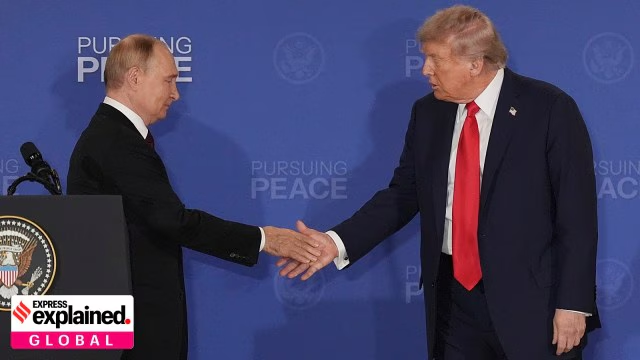
The Modi government will hope that Washington and Moscow will arrive at a final agreement on how to deal with Ukraine and Trump will discard the 25 per cent additional […]
What Trump is actually doing — and why India needs to press reform & reset
Global trade and tech order is changing, talks with US based on maintaining status quo will leave India more vulnerable