
‘Early Harvest’ — larger but not necessarily safer
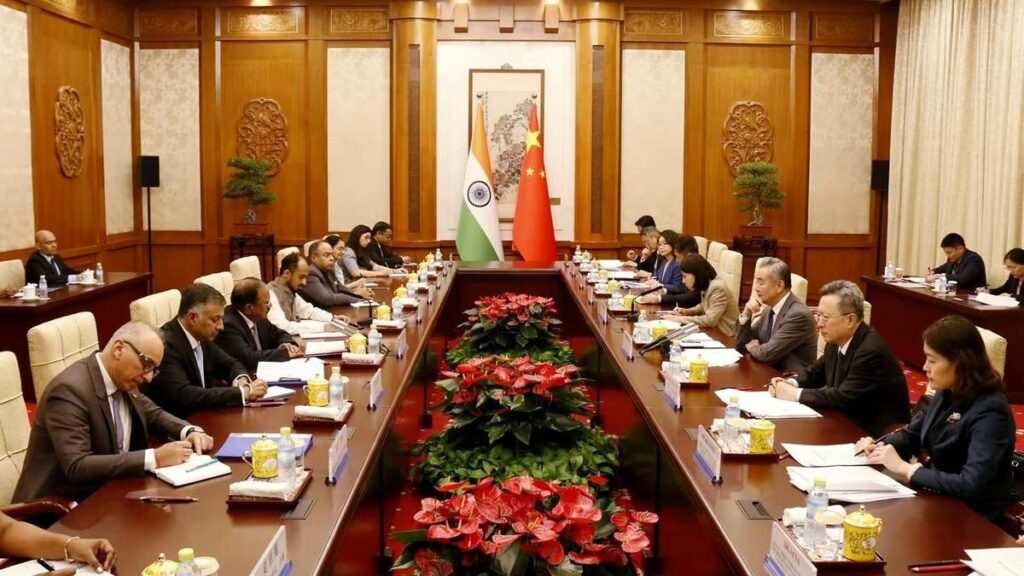
India-China boundary talks suggest movement, but hard questions remain over strategic costs and concessions
The Illusion of Technology Transfer: The Missing Ingredients of India’s Defense Industrialization
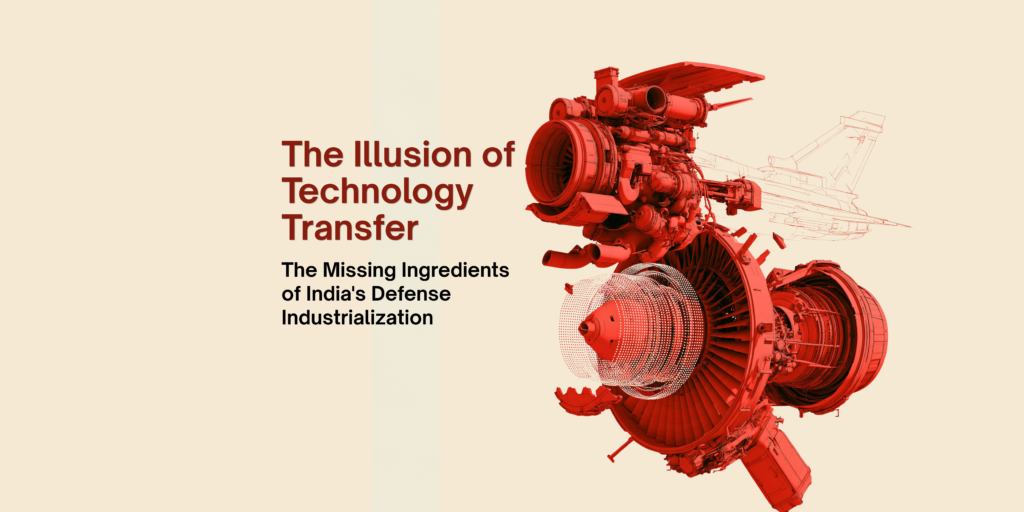
India has built foreign-designed weapons under license for six decades without acquiring design authority. This report explains why: procurement treats technology transfer as a contractual deliverable, but absorption cannot be contracted for. It sets out a ladder of technological depth and a five-stage chain, then scores four programs against them.
Abhimanthan
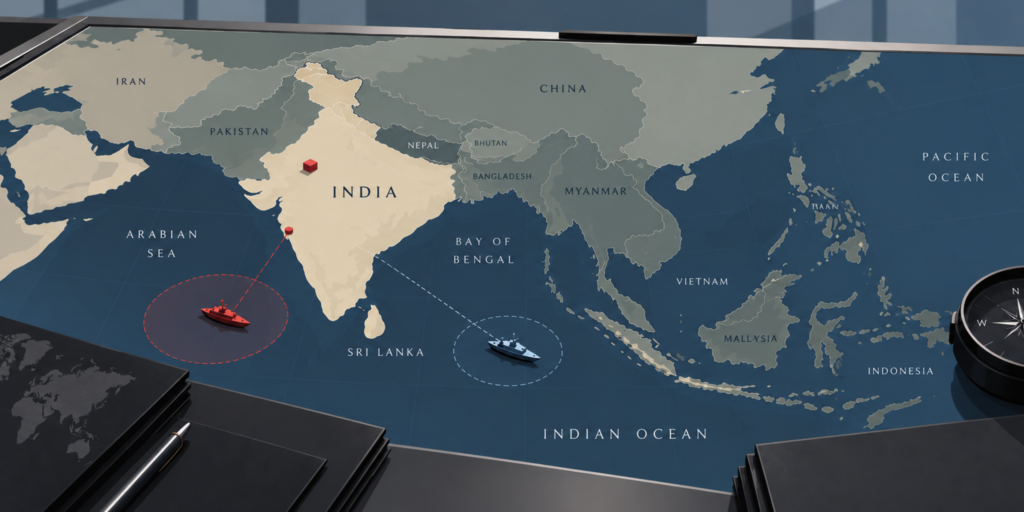
As part of the 4th Future Warfare Course, CSDR hosted a wargame designed by Dr. Sidharth Raimedhi and Lt. Gen. D. S. Hooda (Retd.) for HQ IDS. The exercise tested strategic decision-making, joint planning, coordination, and capability prioritization in a simulated future warfare environment, followed by a detailed debrief.
UDA Workshop III: Submarine Rescue Simulation

Part of Workshop III on Australia–India Underwater Domain Awareness Cooperation, the submarine rescue simulation, designed by CSDR Fellow Dr. Sidharth Raimedhi, tested a joint response to an Indian submarine in distress in the Arafura Sea. The exercise examined coordination, interoperability, decision-making, and operational challenges, with participation from JFD representatives.
Understanding India’s Defense Ecosystem

This executive course equips Defence Attachés and advisers to navigate India’s evolving defence-industrial landscape. It examines the draft Defence Acquisition Procedure 2026, including changes to acquisition categories, indigenous content, and intellectual property, while offering practical guidance on institutional processes, key stakeholders, documentation, timelines, and emerging public-private partnerships.
Unlocking the Puzzle in India-Australia Defence-Industrial Cooperation
Drawing on verified procurement records, budget documents and industry data from both countries, the report identifies near-term matches between documented Indian requirements and established Australian capabilities, six medium-term areas of shared technological priority, and the structural obstacles standing between them. It closes with seven initiatives with indicative costs, most of which require no direct expenditure.