Track 1.5 Dialogue on Defense-Industrial and Security Cooperation in India–Canada Relations
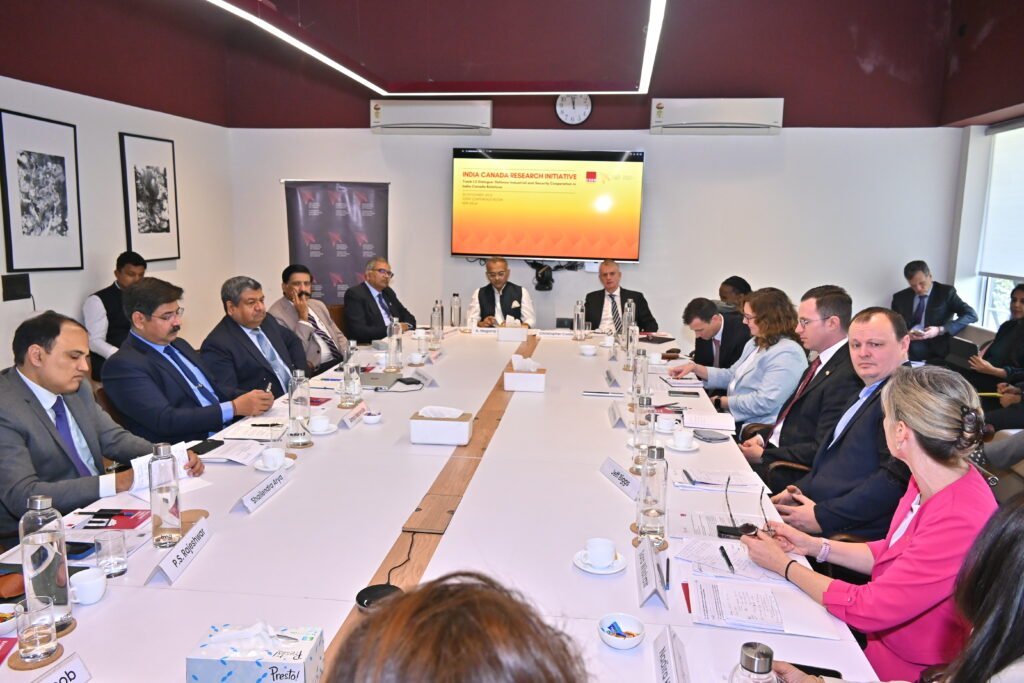
This Track 1.5 dialogue brought together Indian and Canadian officials, industry leaders, and experts to explore practical avenues for security and defense cooperation. Discussions focused on Indo-Pacific maritime security, defense-industrial collaboration, dual-use technology development, training exchanges, and opportunities for supply-chain integration aligned with the momentum of the October 2025 joint statement.
Korea Chair Bulletin: October-November 2025
The Korea Chair Bulletin provides research-driven insights into India-South Korea relations, covering policy shifts, strategic dialogues, and emerging trends. It also highlights key developments and news from the Korean Peninsula.
Workshop II: Enhancing Australia-India Underwater Domain Awareness Cooperation in the Indo-Pacific

The upcoming Second Workshop on Enhancing Australia–India Underwater Domain Awareness (UDA) Cooperation in Visakhapatnam will advance outcomes from the inaugural Perth dialogue. Focusing on ASW, UUVs, undersea search and rescue, and capacity building, it strengthens bilateral maritime cooperation under a DFAT-supported initiative by CSDR and the University of Western Australia’s Defence and Security Institute.
Discussion with Mr. HARA Shohei, Senior Vice President (JICA)
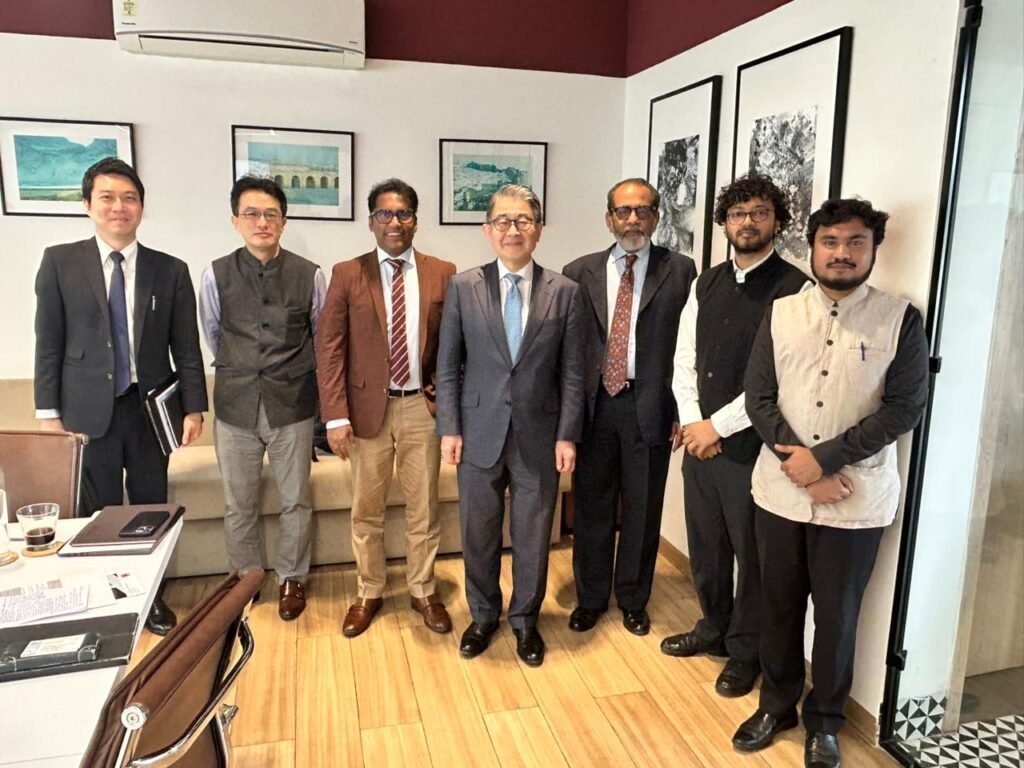
The discussion examined India’s foreign and security policy priorities, including China, the US, South Asia, and East Asia, alongside industrial strategies in semiconductors, EVs, and critical minerals. It also reviewed Japan’s Indo-Pacific strategy, $75 billion regional commitment, responses to BRI, and prospects for coordinated ODA, trilateral, and technology partnerships.
Korea Chair Bulletin: September-October 2025
The Korea Chair Bulletin provides research-driven insights into India-South Korea relations, covering policy shifts, strategic dialogues, and emerging trends. It also highlights key developments and news from the Korean Peninsula.
Emerging and Disruptive Technologies in South Asia: Perceptions of Risks and Responsibilities in Crisis Management and Prevention
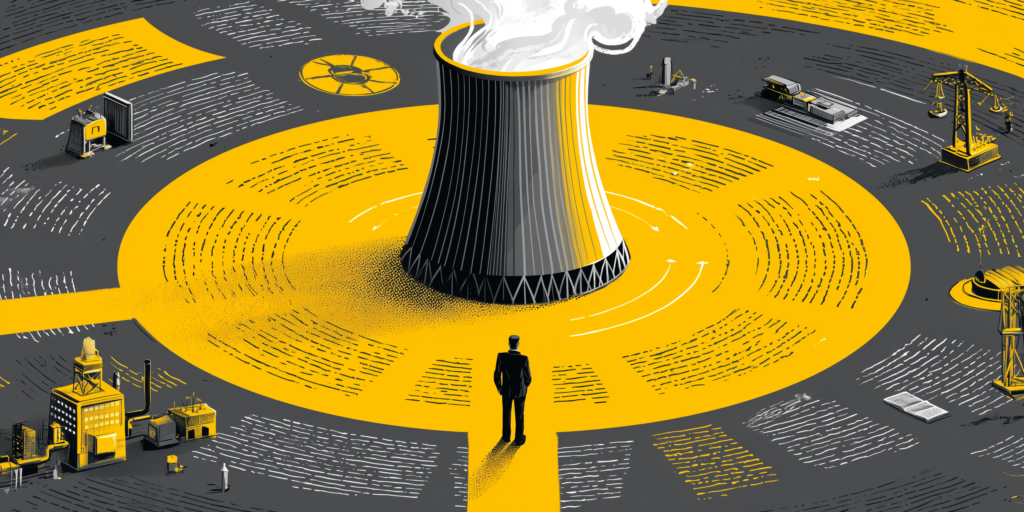
In collaboration with BASIC, this roundtable will discuss a report on how near-term emerging and disruptive technologies (EDTs) impact India–Pakistan crisis management. Highlighting technological asymmetries and mutual suspicions, the report proposes policy measures to strengthen reassurance mechanisms and cooperative frameworks, aiming to mitigate EDT-related risks and enhance regional stability.