The Clean Energy Race in South Asia: India, China, and the Boundaries of Delivery
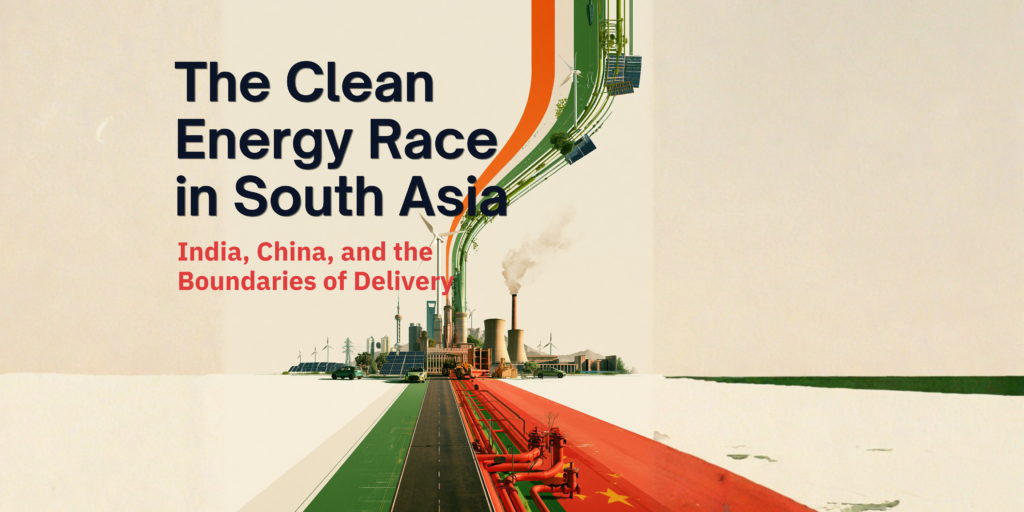
As India and China compete to power South Asia’s energy transition, the decisive factor is not who has more capital. It is who can deliver. This report argues that the two countries’ delivery models, not their resources, explain the diverging outcomes across Bhutan, Nepal, and Bangladesh. India’s approach is relationship-intensive and conditional, built on sovereign Lines of Credit negotiated case by case. China’s is capital-intensive and vertically integrated, with state-owned enterprises controlling financing, engineering, and equipment supply from start to finish.
After the Crisis: Three Futures for India and Pakistan
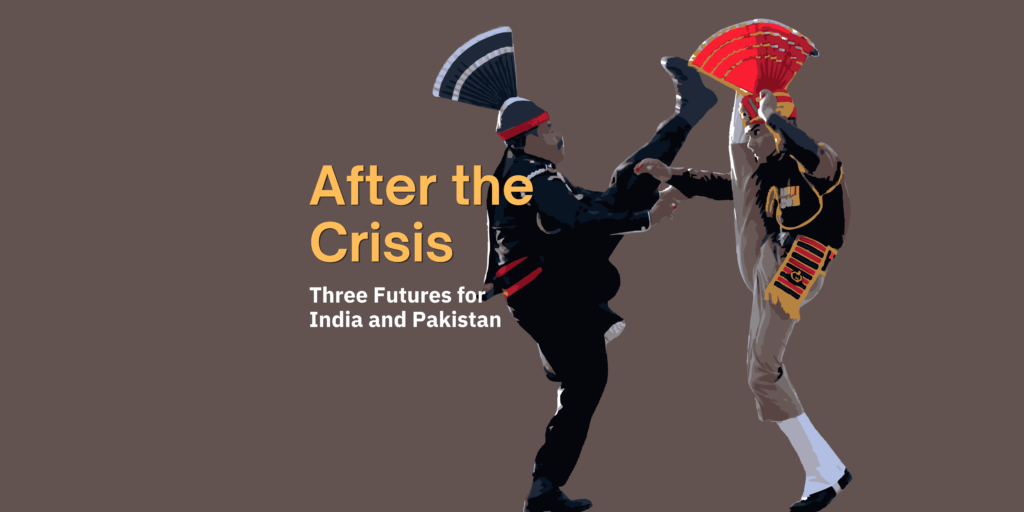
This is the closing report in the series, and it turns from what has happened to what comes next. It asks where the India-Pakistan relationship is heading a year after the April-May 2025 crisis, now that the relationship has been stripped to almost nothing, with no trade, a suspended Indus Waters Treaty, downgraded missions, and severed people-to-people ties.
Pakistan’s Asim Munir has made a gamble at Pahalgam. India must not let it succeed
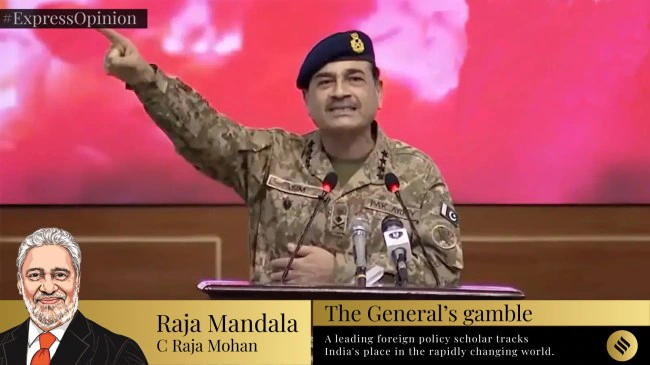
Delhi must not allow Pakistan’s attempt to destroy the country’s unity to bear fruit
The 2021 India-Pakistan Ceasefire and the Road Ahead

This report analyzes the 2021 India-Pakistan ceasefire that has successfully endured for four years, providing crucial relief to border communities. The study examines differing national interpretations and concludes that sustaining this rare diplomatic success depends on addressing cross-border terrorism and maintaining political commitment from both sides.