Decoding the Eastern Sector: India, China, and the McMahon Line

This report provides a comprehensive analysis of the India-China boundary dispute, focusing specifically on the dynamic Eastern Sector (Arunachal Pradesh). It traces the historical and legal origins of the conflict, from the 1914 Simla Convention and the establishment of the McMahon Line to the complex diplomatic negotiations of the post-independence era. The study argues that China’s maximalist claims in the East are less about genuine historical sovereignty and more about strategic leverage—aimed primarily at compelling India to recognize the status quo in Aksai Chin.
Emerging and Disruptive Technologies in South Asia: Perceptions of Risks and Responsibilities in Crisis Management and Prevention
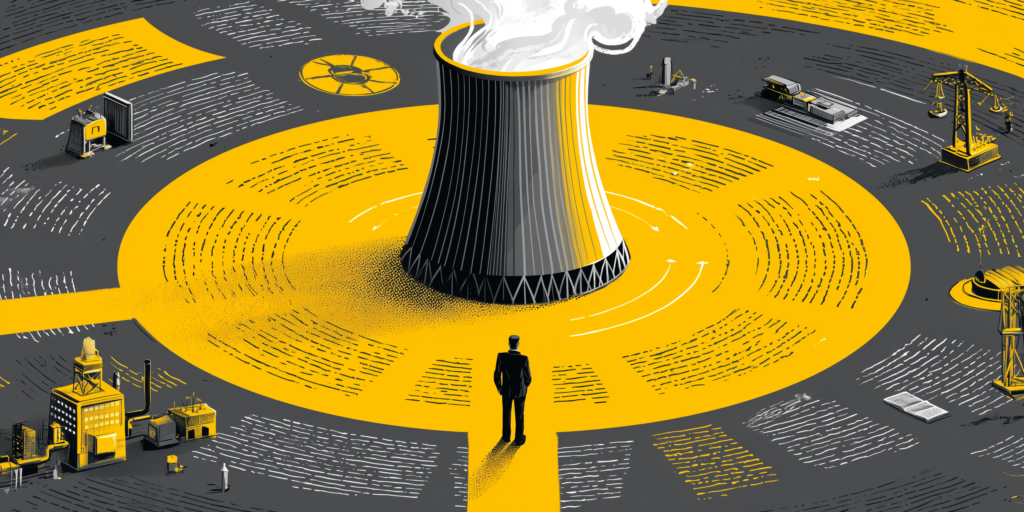
In collaboration with BASIC, this roundtable will discuss a report on how near-term emerging and disruptive technologies (EDTs) impact India–Pakistan crisis management. Highlighting technological asymmetries and mutual suspicions, the report proposes policy measures to strengthen reassurance mechanisms and cooperative frameworks, aiming to mitigate EDT-related risks and enhance regional stability.
India’s Strategic Crossroads: Navigating a Fragmenting World Order
This impact essay constitutes a systematic analysis of India’s options within the context of a transforming global security and economic architecture. It scrutinises the alignment between India’s fundamental interests and […]
From Satellites to Security: India-South Korea Cooperation in Space and Defense Technologies
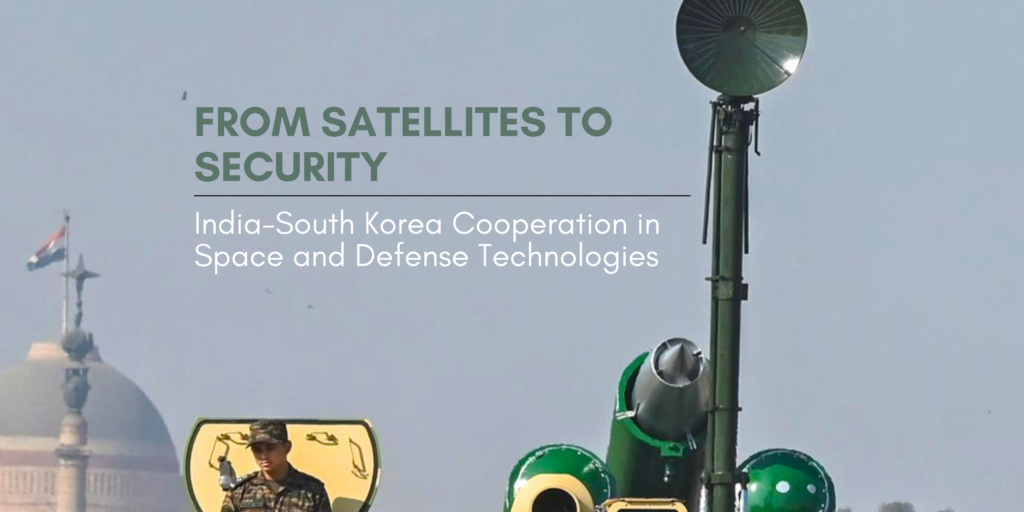
This report demonstrates how strategic cooperation in space and defense technologies can transform the India-South Korea partnership from a declaratory framework into a results-oriented partnership, identifying specific pathways for collaboration that can enhance mutual security while strengthening both nations’ positions in an increasingly contested strategic environment.
India’s concern could reshape Australia’s Pakistan defence ties

Understanding Pakistan’s balancing act on Iran
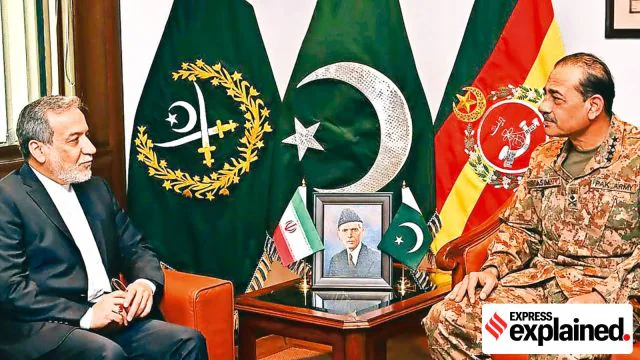
Amid the Iran-Israel conflict, Islamabad is playing a delicate, deliberate balancing act informed by a complicated bilateral relationship with Tehran, need for American patronage, and anxieties about India