Korea Chair Bulletin: February-March 2026
The Korea Chair Bulletin provides research-driven insights into India-South Korea relations, covering policy shifts, strategic dialogues, and emerging trends. It also highlights key developments and news from the Korean Peninsula.
Enhancing Australia-India Underwater Domain Awareness Cooperation in the Indo-Pacific
This scoping report is the first in a series of five and examines the evolving maritime risk environment in the Indo-Pacific, the strategic importance of UDA, and the technological developments shaping it. It highlights UDA as a promising avenue for Australia-India cooperation, building on complementary strengths such as India’s manufacturing scale and Australia’s niche intellectual property and research expertise.
India-Canada Defense Cooperation: From Freeze to Forward Motion
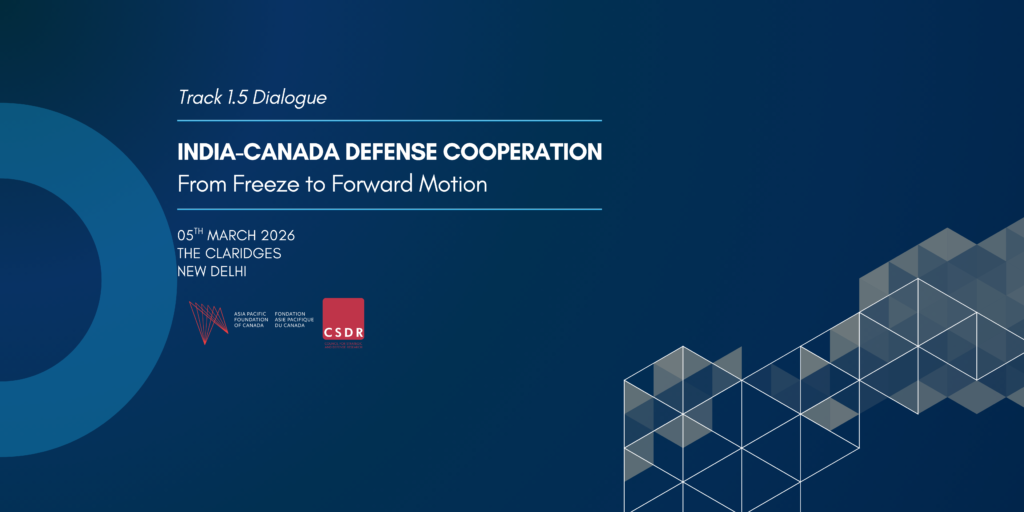
Co-organized by APFC, this Track 1.5 dialogue examined practical pathways for advancing Canada–India defence cooperation amid renewed diplomatic engagement and parallel procurement reforms. Discussions focused on training and simulation, sustainment and MRO, cyber-enabled systems, space-based ISR, trusted electronics, and critical minerals supply-chain collaboration.
Trump, Xi, Modi and the Asian Balance
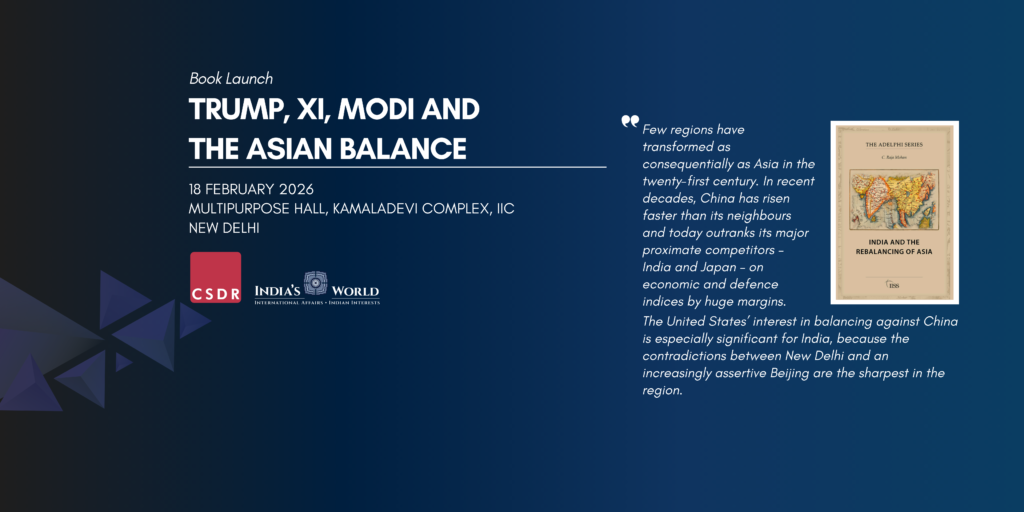
Together with India’s World Magazine, we host a panel launching C. Raja Mohan’s India and the Rebalancing of Asia. The discussion examines Asia’s shifting geopolitics, China’s rise, uncertainty in U.S. leadership, and India’s evolving strategic role in shaping the Indo-Pacific order.
Power and Purpose: Indian Foreign Policy 2025
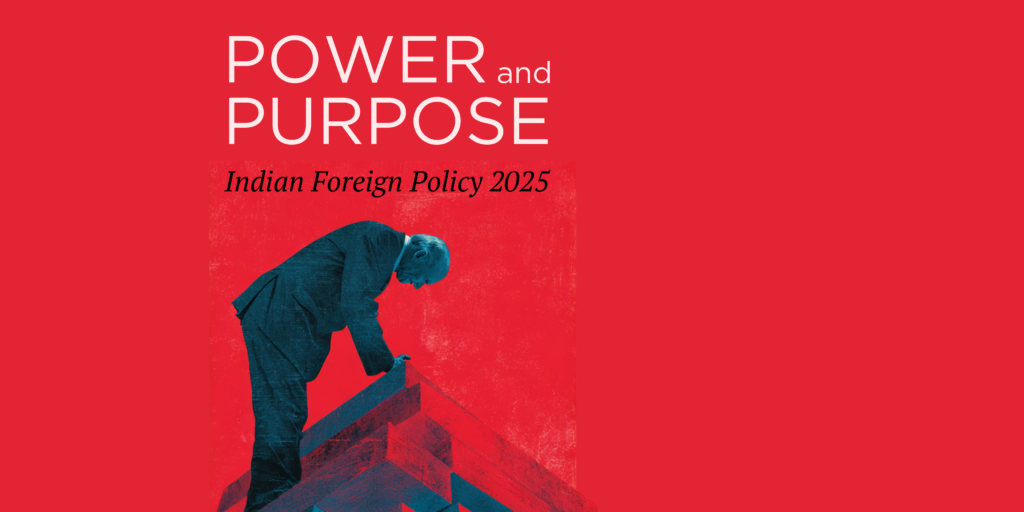
This report examines India’s foreign and security policy amid unprecedented geopolitical volatility in 2025. It analyzes India’s navigation of regional turbulence, recalibration of its technology strategy, defense reforms, and potential for cascading domestic reforms amid a deteriorating strategic environment.
Building Resilience: The India-Canada Critical Minerals Partnership in an Era of Strategic Competition

This report examines India-Canada critical minerals cooperation amid China’s supply chain dominance and weaponization. It analyzes both nations’ regulatory landscapes, strategic vulnerabilities, and partnership opportunities across exploration, processing, and downstream manufacturing. Drawing on policy documents and industry data through December 2025, it provides actionable recommendations for building resilient alternative supply chains.