After the Crisis: Three Futures for India and Pakistan
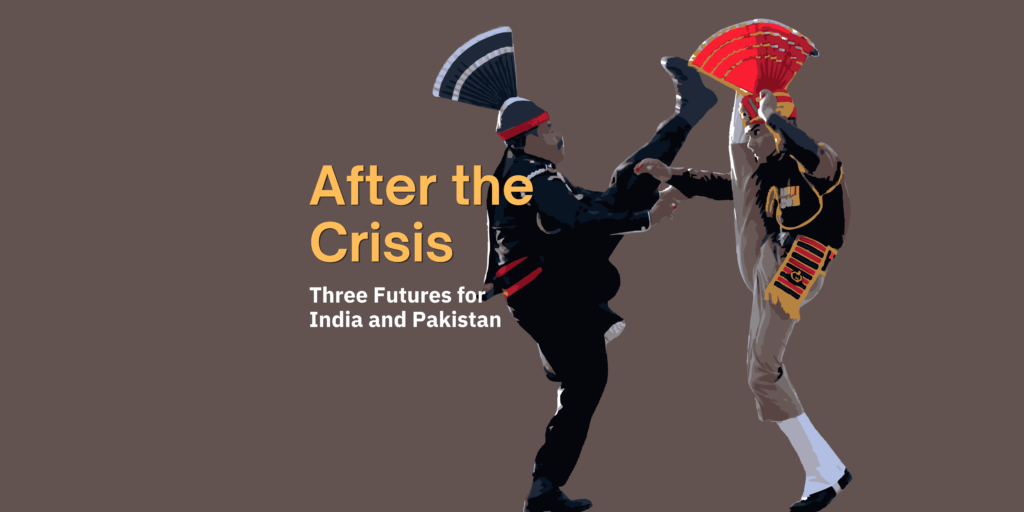
This is the closing report in the series, and it turns from what has happened to what comes next. It asks where the India-Pakistan relationship is heading a year after the April-May 2025 crisis, now that the relationship has been stripped to almost nothing, with no trade, a suspended Indus Waters Treaty, downgraded missions, and severed people-to-people ties.
Crisis as Catalyst: Pakistan’s Internal Political Transformation, 2025–2026
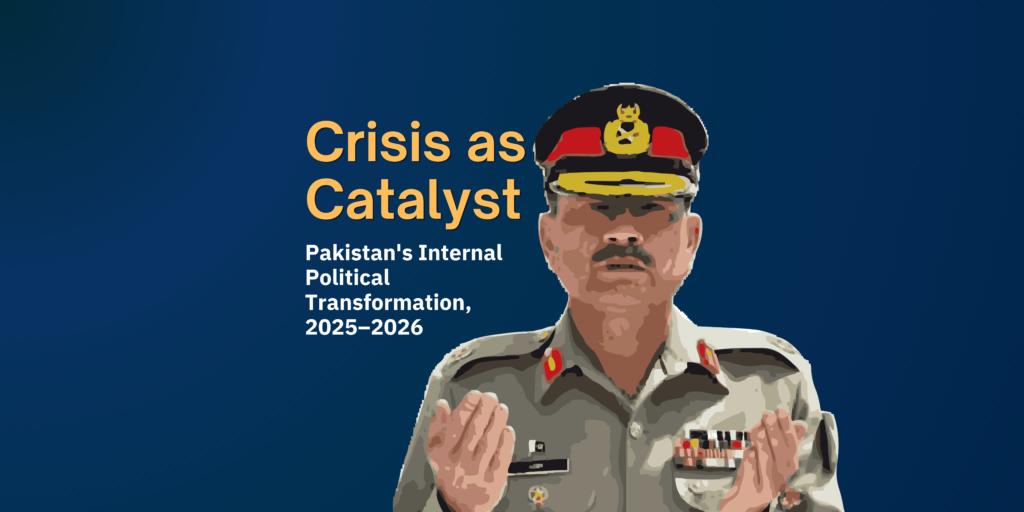
This report is the second in the series and shifts from hardware to power. It examines how the April–May 2025 crisis with India catalyzed the Pakistan Army’s consolidation of domestic control under Asim Munir. Tracking developments chronologically across three fronts- military, political, and judicial- it argues that the crisis let Munir move from expanding power within Pakistan’s hybrid system to changing the system itself.
Preparing for the Next War: Inside Pakistan’s Bid to Reset the Balance with India
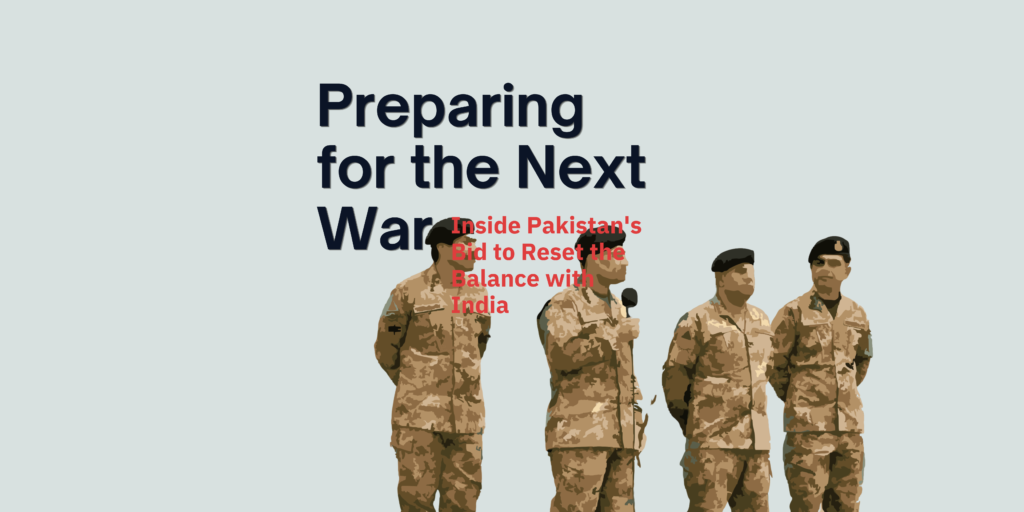
This report examines how the 7–10 May 2025 India-Pakistan conflict has reshaped Pakistan’s military thinking, procurement, and higher defense organization. Focusing on the period since the crisis, it traces the relative demotion of nuclear “full-spectrum deterrence” in favor of a conventional “Quid Pro Quo Plus” posture built for limited, stand-off, non-contact warfare. It assesses service-by-service acquisitions across the Air Force, Navy, and Army.
Unlocking India-Canada Bilateral Trade: A Provincial Framework for a Successful CEPA
Canada’s relationship with India is often told as a single national story. This report argues it is ten stories at once. It examines how Canada’s provinces, each with a distinct industrial base, resource endowment, and set of India-facing opportunities, are quietly driving one of the most consequential bilateral relationships of the coming decade.
Decoding the Eastern Sector: India, China, and the McMahon Line

This report provides a comprehensive analysis of the India-China boundary dispute, focusing specifically on the dynamic Eastern Sector (Arunachal Pradesh). It traces the historical and legal origins of the conflict, from the 1914 Simla Convention and the establishment of the McMahon Line to the complex diplomatic negotiations of the post-independence era. The study argues that China’s maximalist claims in the East are less about genuine historical sovereignty and more about strategic leverage—aimed primarily at compelling India to recognize the status quo in Aksai Chin.
India-Canada Bilateral Trade Relations: Trends, Opportunities, and the Path to CEPA

India-Canada bilateral trade reached CAD 30.9 billion in 2024 but remains underutilized. Despite 2023 diplomatic tensions, economic ties proved resilient. A proposed Comprehensive Economic Partnership Agreement (CEPA) could add CAD 8.8 billion in trade by 2035. Priority sectors include pharmaceuticals, critical minerals, agriculture, IT services, and clean energy, offering mutual strategic benefits.