As Gen Z leads political change in the Subcontinent, is Pakistan doomed to be the exception?

Unlike its neighbours, Pakistan’s youthful demographic has been unable to challenge entrenched military dominance
The Clean Energy Race in South Asia: India, China, and the Boundaries of Delivery
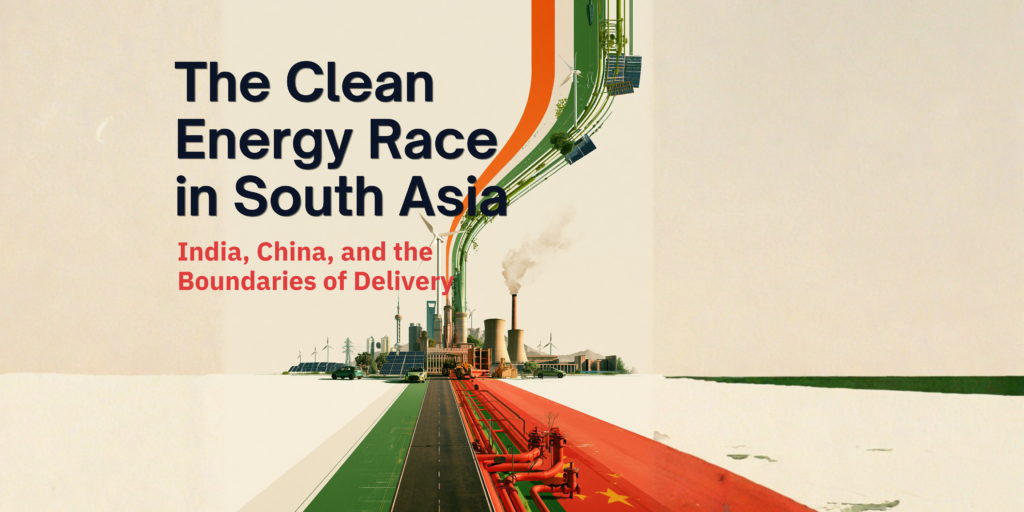
As India and China compete to power South Asia’s energy transition, the decisive factor is not who has more capital. It is who can deliver. This report argues that the two countries’ delivery models, not their resources, explain the diverging outcomes across Bhutan, Nepal, and Bangladesh. India’s approach is relationship-intensive and conditional, built on sovereign Lines of Credit negotiated case by case. China’s is capital-intensive and vertically integrated, with state-owned enterprises controlling financing, engineering, and equipment supply from start to finish.
After the Crisis: Three Futures for India and Pakistan
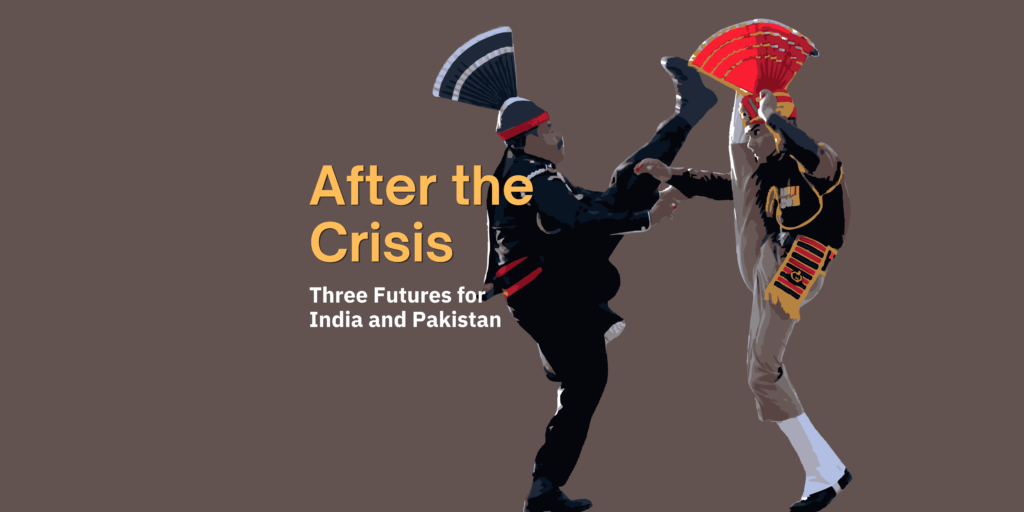
This is the closing report in the series, and it turns from what has happened to what comes next. It asks where the India-Pakistan relationship is heading a year after the April-May 2025 crisis, now that the relationship has been stripped to almost nothing, with no trade, a suspended Indus Waters Treaty, downgraded missions, and severed people-to-people ties.
Crisis as Catalyst: Pakistan’s Internal Political Transformation, 2025–2026
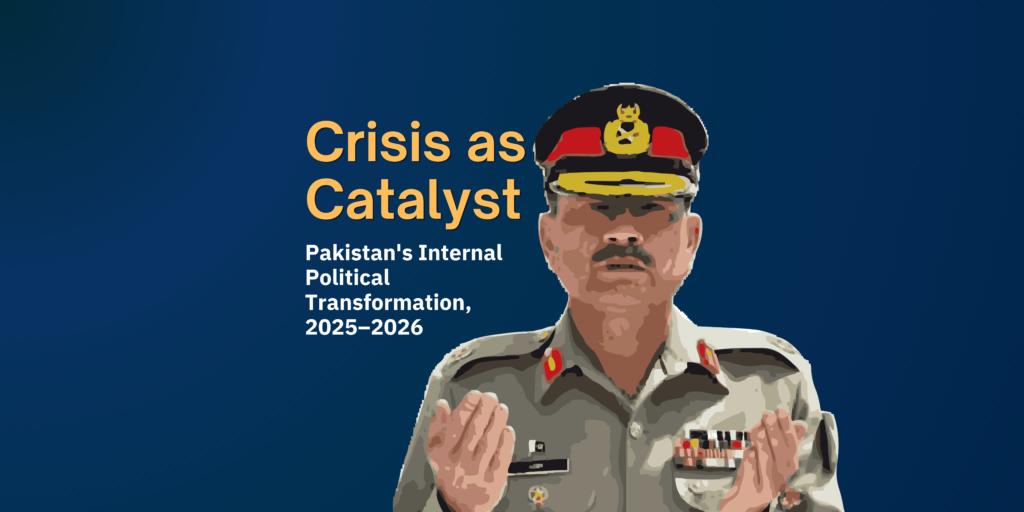
This report is the second in the series and shifts from hardware to power. It examines how the April–May 2025 crisis with India catalyzed the Pakistan Army’s consolidation of domestic control under Asim Munir. Tracking developments chronologically across three fronts- military, political, and judicial- it argues that the crisis let Munir move from expanding power within Pakistan’s hybrid system to changing the system itself.
Preparing for the Next War: Inside Pakistan’s Bid to Reset the Balance with India
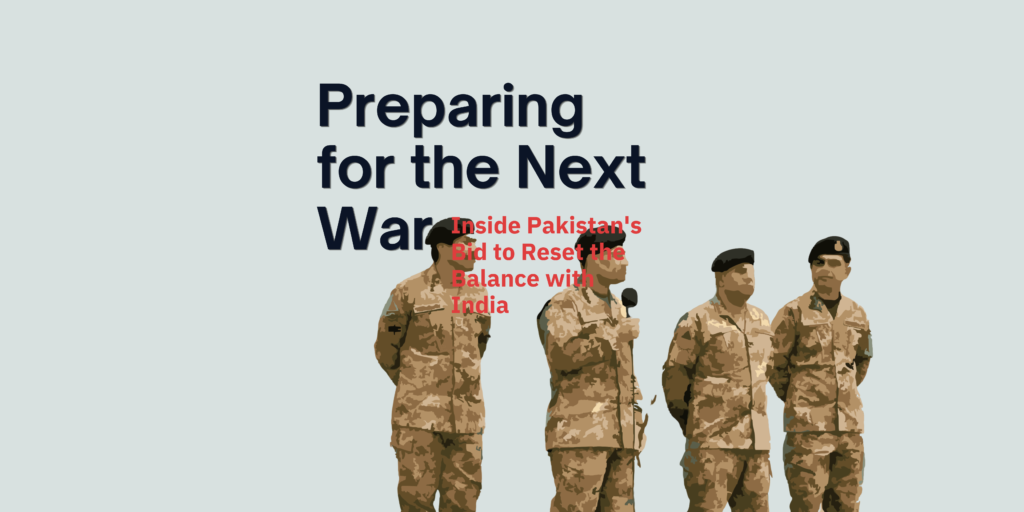
This report examines how the 7–10 May 2025 India-Pakistan conflict has reshaped Pakistan’s military thinking, procurement, and higher defense organization. Focusing on the period since the crisis, it traces the relative demotion of nuclear “full-spectrum deterrence” in favor of a conventional “Quid Pro Quo Plus” posture built for limited, stand-off, non-contact warfare. It assesses service-by-service acquisitions across the Air Force, Navy, and Army.
Himanta, Suvendu, and the remaking of India’s eastern border
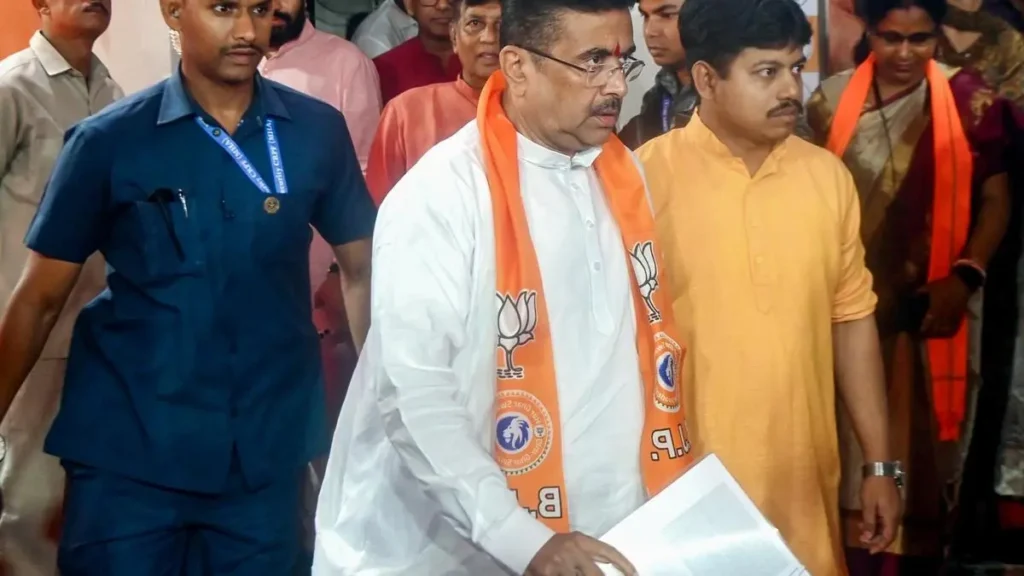
Himanta Biswa Sarma and Suvendu Adhikari have turned the Bangladesh border into the central theatre of eastern India, where “push-backs” and anti-immigration campaigns are impacting diplomacy, trade, and India’s long-term […]